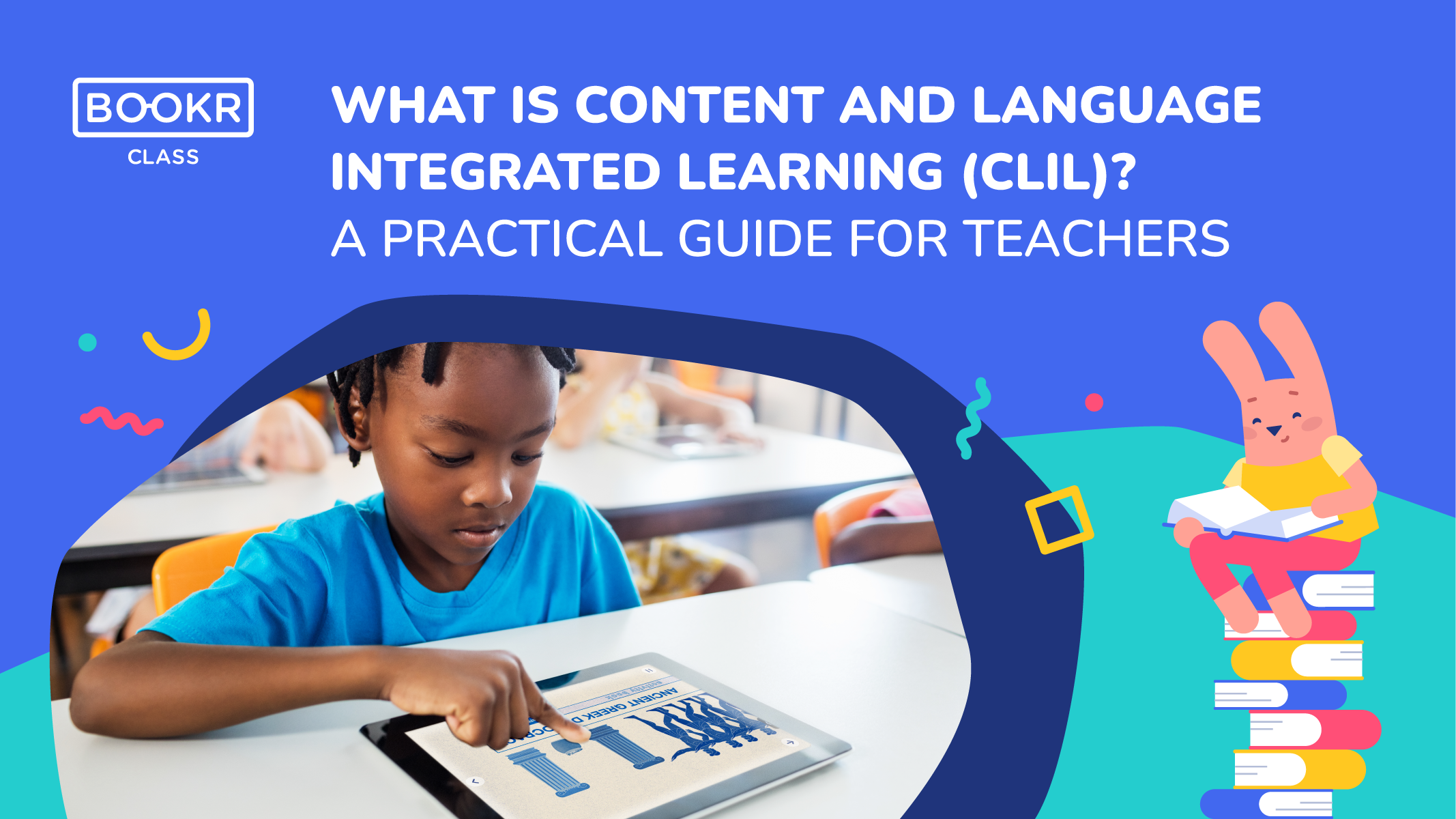
What Is Content and Language Integrated Learning (CLIL)? A Practical Guide for Teachers
There’s a moment most language teachers recognise. A student who can read a graded reader without breaking a sweat suddenly freezes in front of a science text. Or a kid who’s great at grammar exercises can’t hold a conversation about anything that actually interests them.
The problem, a lot of the time, isn’t the language. It’s that the language has been cut off from anything meaningful to say.
That’s more or less the problem that Content and Language Integrated Learning – CLIL – is designed to fix. And while it sounds like education-theory jargon, the basic idea is pretty intuitive once you hear it.
What Is CLIL, Exactly?
Content and Language Integrated Learning (CLIL) is a teaching approach where students learn subject content – science, history, geography, whatever – through the medium of a foreign or second language. Crucially, it’s not just about using the language. Both the subject and the language are meant to be kept in focus at the same time.
So in a CLIL classroom, students don’t just practise English as a subject. They use English to actually learn something. The language becomes a tool rather than the end goal.
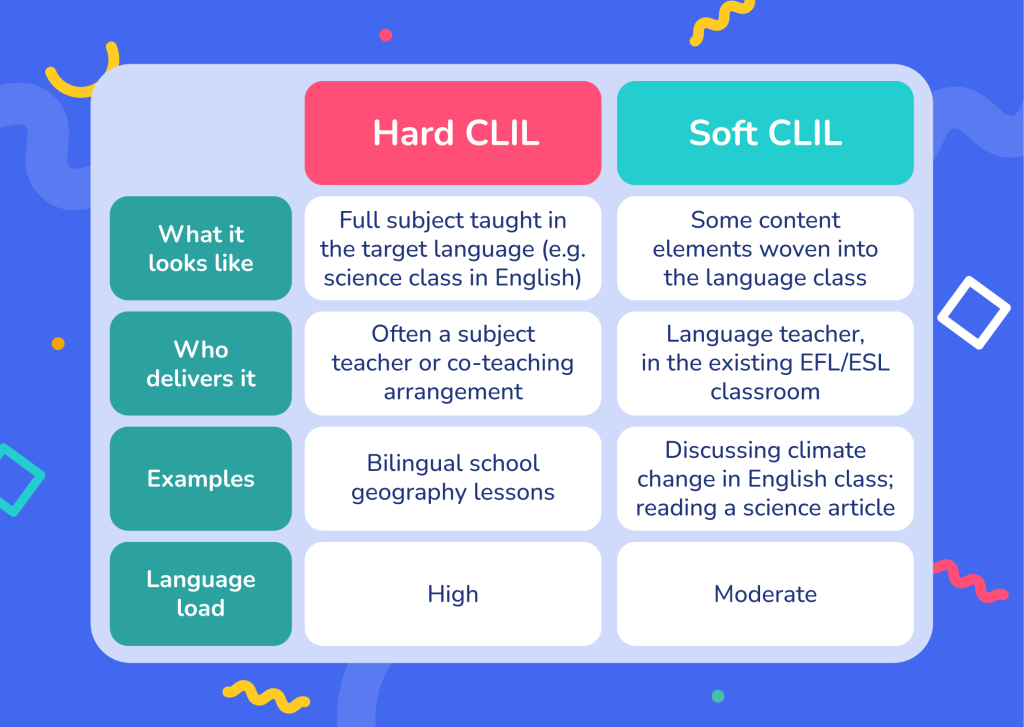
Bilingual education is probably the most well-known example of CLIL in action, where schools run geography or history lessons entirely in English. But CLIL doesn’t have to mean full immersion. There’s a spectrum.
Hard CLIL vs. Soft CLIL
This distinction is worth knowing, because it affects how you might apply CLIL in your own context.
| Hard CLIL | Soft CLIL | |
| What it looks like | Full subject taught in the target language (e.g. science class in English) | Some content elements woven into the language class |
| Who delivers it | Often a subject teacher or co-teaching arrangement | Language teacher, in the existing EFL/ESL classroom |
| Examples | Bilingual school geography lessons | Discussing climate change in English class; reading a science article |
| Language load | High | Moderate |
Most EFL teachers are working with soft CLIL – and that’s completely fine. You don’t need to redesign your whole school to use CLIL principles. You just need content that gives students something real to engage with.
The 4Cs: What CLIL Is Actually Trying to Do
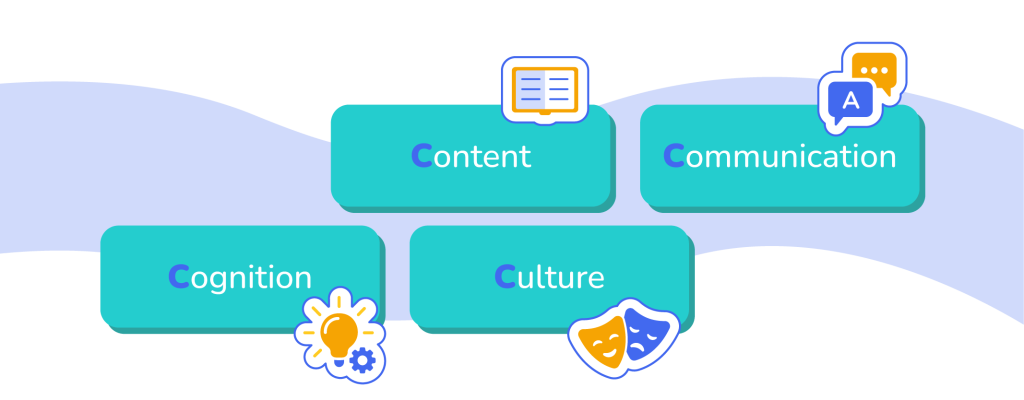
The most widely used framework for thinking about CLIL comes from Do Coyle’s 4Cs curriculum. It’s a useful map for what a CLIL lesson is trying to achieve – and it’s more than just “teach subject + teach language.”
The four areas are:
Content – What are students learning about? This is the subject matter itself. In a CLIL lesson, content isn’t just a vehicle for language practice; it has its own value and is worth learning.
Communication – How is language being used to access and share that content? This includes the vocabulary students need, the structures they use to discuss ideas, and how they engage with texts.
Cognition – What are students actually doing with their thinking? Good CLIL goes beyond comprehension. It asks students to analyse, compare, evaluate, and draw conclusions. This is where the “integrated” part gets interesting.
Culture – What perspectives and awareness does the content open up? This might be awareness of different countries’ histories, environmental contexts, social issues, or simply the experience of seeing the world through a different lens than their textbook usually offers.
When all four are working together, CLIL lessons tend to feel – and this is probably the most accurate word – real. Students are doing something with their language, not just practising it.
Why CLIL Works: What Teachers and Researchers Have Found
Here’s where it gets a bit more concrete. Because CLIL isn’t just a theory – there’s actually a decent body of research backing it up.
One study (Várkuti, frequently cited in CLIL literature) found that students in CLIL classrooms developed a significantly wider range of specialised vocabulary, applied grammatical structures more efficiently, and were more self-confident and spontaneous when using the foreign language. That last part is interesting. It’s not just about test scores – it’s about how students relate to the language itself.
There are a few reasons this makes sense.
CLIL materials are meaningful in a way that most language textbook content isn’t. When a student is reading about how ecosystems change or why certain animals adapt to survive in extreme climates, they’re genuinely processing information they didn’t have before. The language isn’t decorative – it’s the thing standing between them and knowledge they want.
CLIL content is also more authentic. The vocabulary students encounter tends to be the kind that shows up in real-world contexts – academic texts, news articles, documentaries — rather than highly sanitised practice sentences. Over time, students get comfortable with the texture of real informational language, which carries over when they encounter similar content elsewhere.
And there’s something to the idea that being genuinely interested in finding out what happens next (will the ecosystem recover? how do polar bears manage to function at -40°C?) keeps students reading more carefully than they otherwise might.
What Does CLIL Actually Look Like in Practice?
This is the question that matters most for most teachers, and it’s worth being honest: it depends a lot on your context.
In a school running proper bilingual programmes, CLIL might mean a co-teacher arrangement where a subject specialist and a language teacher plan lessons together. It might mean students writing lab reports in English or researching a history project entirely through English-language sources.
In a more typical EFL classroom, it looks more like this: choosing reading materials that are about something, actually about something, not just a story invented to practise the past continuous – and building activities around both the content knowledge and the language. A text about the water cycle isn’t just a reading comprehension exercise. It also teaches students something about how the world works. Both things are true at once.
The materials you choose matter a lot here. A CLIL lesson with weak content is just a bad lesson with a methodology label on it. The content has to be genuinely interesting or genuinely useful. Ideally both.
CLIL and Reading: How BOOKR Class Approaches It
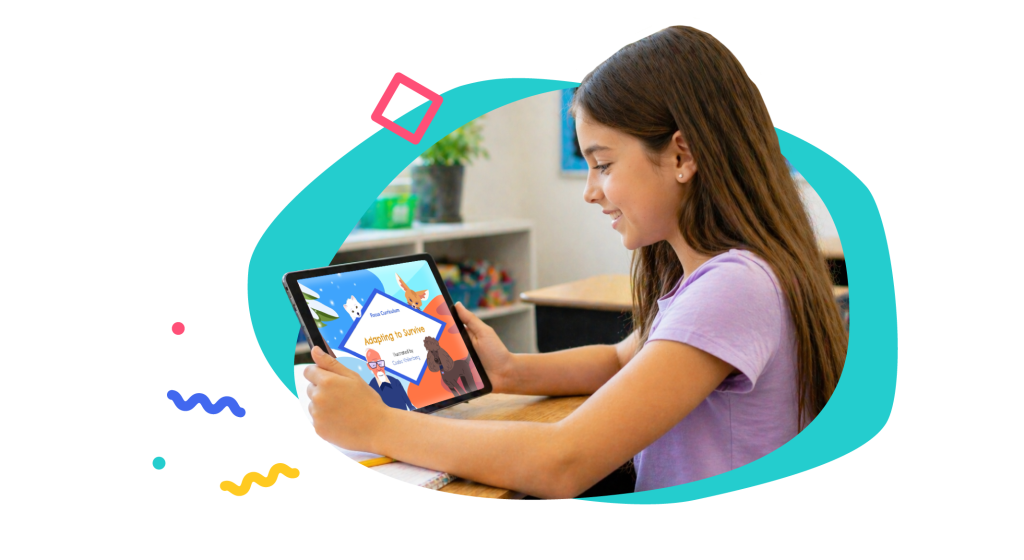
One of the practical challenges with CLIL, especially for language teachers, is finding reading materials that are both content-rich and accessible to language learners. Most proper subject-area texts are written for native speakers and are too dense. Most language-learning readers strip out the interesting content in favour of controlled vocabulary.
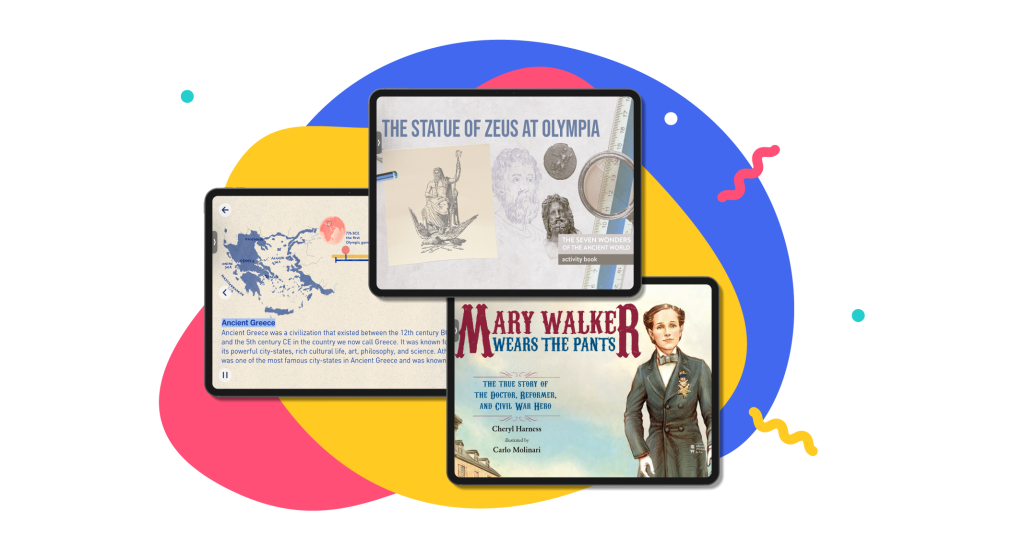
BOOKR Class has been building out a CLIL book library specifically to address this gap – materials that have real subject content but are adapted and levelled for EFL learners.
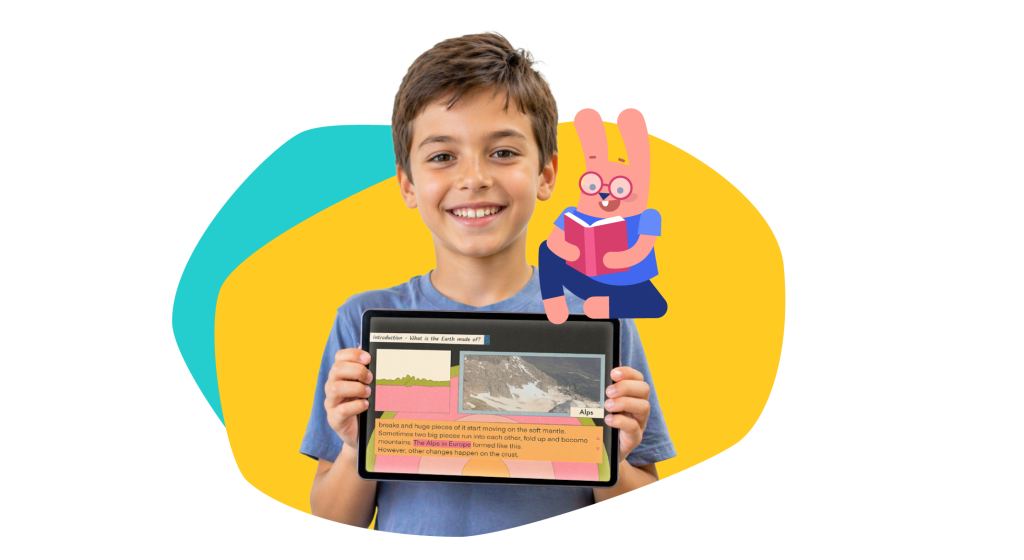
The most developed part of this is the Focus Curriculum series, a collaboration with a US-based educational publisher that specialises in science content. The books cover life science, earth science, and physical science — and each topic is available at three different reading levels, so the same content is accessible to students at different proficiency levels within the same class.
That last part is genuinely useful in mixed-ability classrooms. A student reading at a lower level gets the same scientific concepts as their more advanced classmate – just through a text that’s been calibrated to where they are. The BOOKR Class versions add interactive features: illustrations, animations, audio narration, and follow-up activities covering comprehension, vocabulary, and critical thinking.
Some examples of what’s in the library:
- Adapting to Survive – explores how plants and animals adapt to their ecosystems to meet basic needs. Students learn about Arctic habitats, organism behaviour, and the conditions living things need to survive.
- When Ecosystems Change – looks at how natural and human forces alter habitats, and how living things respond. The kind of topic that’s genuinely relevant to what’s happening in the world.
Both hit all four of Coyle’s Cs in some way. The content is real science. The language is purposeful. The thinking required goes beyond just reading for facts. And the topics carry cultural and environmental relevance beyond the classroom.
One thing worth noting: the texts were originally developed for English-speaking students in US schools, then adapted by BOOKR Class for language learners globally. That process matters – it’s not just a translation or a simplification, but an actual reworking for EFL contexts.
Frequently Asked Questions About CLIL
Is CLIL only for advanced students?
Not really, no. Because CLIL content can be adapted to different levels – as the Focus Curriculum series does — students across a wide proficiency range can access it. What changes is the complexity of the text, not the value of the content.
Do I need to be a subject expert to teach CLIL?
For soft CLIL, not particularly. If you’re using CLIL reading materials in an English lesson, you need to understand the text well enough to support students – but you’re not expected to be a biology teacher. That said, it helps to be genuinely curious about the content. Students notice when a teacher finds something interesting, and it makes a difference.
How is CLIL different from just reading a non-fiction text in English class?
Technically, you could argue it isn’t always. But proper CLIL thinking involves designing activities around all four Cs – making sure students are not only understanding the text but also doing something with it cognitively, and that the language focus is tied to the content, not bolted on separately. A non-fiction text with a list of comprehension questions doesn’t quite get there on its own.
My students find content-heavy texts hard. What can I do?
This is probably the most common practical challenge. A few things that tend to help: pre-teach key vocabulary before reading (especially technical terms), use visuals and diagrams where possible, let students discuss content in their first language first to build understanding before tackling the English text, and use levelled versions of the same content so the language load doesn’t overwhelm the content.
Can CLIL work in exam-focused classes?
It can, but it takes some thought. The good news is that many of the skills CLIL develops – reading complex texts, understanding academic vocabulary, thinking critically about content – are the same skills students need for most standardised English exams. The argument isn’t that CLIL replaces exam prep, but that it builds the underlying competencies that make exam tasks easier.
The Bottom Line
Content and Language Integrated Learning is an approach that works because it treats language as a tool rather than the destination. Students learn English through learning something else – and both things stick better as a result.
You don’t need a bilingual school or a co-teaching arrangement to try it. Soft CLIL – weaving content-based reading and activities into your existing lessons – is within reach for most EFL teachers. The main thing you need is material that’s actually worth reading about.
That’s harder to find than it sounds. But it’s not impossible. And when you get it right, the difference in how students engage is usually pretty noticeable.
BOOKR Class is a digital reading platform for English language learners. The library includes a growing collection of CLIL books – including the Focus Curriculum science series at three reading levels – alongside levelled fiction and interactive features designed for EFL classrooms. Find out more at bookrclass.com.


You might also like...